
Understanding NAFTA: A Comprehensive Overview
AUTOS
2/3/20252 min read
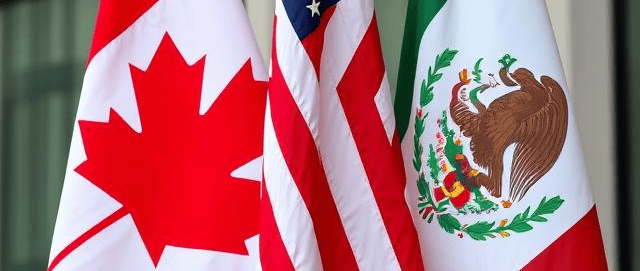
NAFTA: What Canadians Need to Know
The North American Free Trade Agreement (NAFTA) was a trade deal between Canada, the United States, and Mexico that shaped the economies of these three countries for over 25 years. This agreement was later replaced by the Canada-United States-Mexico Agreement (CUSMA) in 2020, but its impact is still felt today.
What Was NAFTA?
✅ Established in 1994 to create a free trade zone across North America.
✅ Aimed to eliminate tariffs and trade barriers between Canada, the U.S., and Mexico.
✅ Increased trade, investment, and economic growth among the three nations.
✅ Helped Canadian businesses expand into U.S. and Mexican markets more easily.
Benefits of NAFTA for Canada
✅ Boosted Trade: Canada’s exports to the U.S. and Mexico increased significantly.
✅ Job Creation: Helped create thousands of Canadian jobs, particularly in manufacturing and agriculture.
✅ Lower Prices: Reduced costs for consumers by eliminating tariffs on many products.
✅ Stronger Economy: Encouraged foreign investment in Canada.
Downsides of NAFTA for Canada
❌ Job Losses: Some industries, like manufacturing, moved to lower-cost locations in Mexico.
❌ Dependency on the U.S.: Over-reliance on American trade made Canada vulnerable to U.S. economic shifts.
❌ Environmental Concerns: Some policies led to increased industrial activity, affecting Canada’s environment.
How Did NAFTA Change Trade?
✅ Automotive Sector: Before NAFTA, Canadian cars faced high tariffs when exported to the U.S. After NAFTA, vehicles could be traded tariff-free.
✅ Agriculture: Before NAFTA, trade of farm products between Canada, the U.S., and Mexico was limited. After NAFTA, Canadian farmers gained greater access to these markets.
❌ Manufacturing: Some Canadian factories struggled as companies moved production to Mexico for lower costs.
NAFTA vs. CUSMA: What’s Different?
While NAFTA shaped trade for decades, it was replaced by the Canada-United States-Mexico Agreement (CUSMA)in 2020. Here’s how they compare:
✅ Tariffs: NAFTA eliminated most tariffs, while CUSMA maintains free trade but with stricter rules.
✅ Automotive Rules: NAFTA required 62.5% North American content in vehicles, while CUSMA increased it to 75% to support local jobs.
❌ Dairy Market: Under NAFTA, U.S. access to Canada's dairy market was limited. CUSMA increased U.S. access to Canadian dairy products.
✅ Labor Rights: NAFTA had basic labor protections, whereas CUSMA introduced stronger labor rights, particularly in Mexico.
Why Does NAFTA Still Matter Today?
Even though CUSMA replaced NAFTA, its legacy still influences Canada’s economy today:
✅ Trade relationships built under NAFTA continue to drive economic growth.
✅ Many industries still rely on NAFTA-era trade structures.
✅ The lessons learned from NAFTA helped shape CUSMA and future trade agreements.
Conclusion
NAFTA transformed trade in North America, benefiting Canada in many ways but also bringing challenges. Although it was replaced by CUSMA, understanding NAFTA helps Canadians appreciate the evolution of trade policies and their impact on businesses and consumers.
